Site icon Telangana NavaNirmana Sena

Birla Opus Shakes Up the Paint Industry: A Threat to Asian Paints, Berger, and Kansai Nerolac

Birla Opus Shakes Up the Paint Industry: A Threat to Asian Paints, Berger, and Kansai Nerolac The Indian paint industry, long dominated by giants like Asian Paints, Berger Paints, and Kansai Nerolac, faces a seismic shift. A new player, Birla Opus, has stormed into the market, capturing a remarkable 6.8% market share in just over a year. This aggressive ascent has sent shockwaves through the sector, challenging the status quo and threatening the market dominance of established brands. In this in-depth analysis, we explore how Birla Opus is reshaping the paint industry, why Asian Paints is bearing the brunt, and what this means for the future of the sector. The Rise of Birla Opus: A Game-Changer in the Paint Industry Birla Opus, backed by the formidable Aditya Birla Group, entered the paint market with bold ambitions. Unlike smaller players that struggled to make a dent, Birla Opus leveraged the group’s vast resources and expertise in industries like cement, steel, and real estate to establish a strong foothold. Within nine months of its launch, the company secured a 3.5% market share, a feat that stunned competitors. By March 2025, Birla Opus announced its market share had soared to 6.8%, nearly doubling its initial gains. This rapid growth underscores Birla Opus’s aggressive strategy. The company has set a target of achieving ₹10,000 crore in revenue within three years, a goal that seems increasingly attainable given its early success. Unlike previous entrants like JSW Paints or Pidilite, Birla Opus poses a credible threat due to its financial muscle, strategic focus, and operational scale. Why Birla Opus Is Different The Aditya Birla Group’s diversified portfolio gives Birla Opus a unique edge. Its existing distribution networks in cement and real estate allow seamless integration of paint products into construction and home improvement projects. This synergy enables Birla Opus to reach customers in Tier 2 and Tier 3 cities, where demand for affordable, high-quality paints is surging. Additionally, the company’s ability to offer substantial discounts and incentives has attracted both dealers and consumers, further fueling its growth. Asian Paints: Losing Ground to Birla Opus Asian Paints, the undisputed leader with a 59% market share just a year ago, has seen its dominance erode. By March 2025, its market share plummeted to 52%, a staggering 7% decline. This loss is particularly alarming for a company that has long enjoyed a near-monopoly in the Indian paint market. Why Asian Paints Is the Primary Target Birla Opus has strategically targeted Asian Paints’ core customer base—premium consumers in Tier 2 and Tier 3 markets. These regions, where Asian Paints has historically dominated, are now battlegrounds for market share. Birla Opus’s aggressive pricing strategy, offering discounts of up to 30% on comparable products, has lured cost-conscious customers away from Asian Paints. For example, if a can of Asian Paints costs ₹100, Birla Opus might offer a similar product for ₹70, making it an attractive alternative. Moreover, Birla Opus has poached mid-level managers from Asian Paints, gaining access to valuable industry insights and expertise. This talent acquisition strategy has allowed Birla Opus to refine its distribution and marketing tactics, directly challenging Asian Paints’ stronghold. The Impact on Asian Paints’ Market Share The 7% drop in Asian Paints’ market share is not just a number—it reflects a significant shift in consumer preferences and competitive dynamics. While Asian Paints still holds over 50% of the market, its monopoly is no longer intact. The company now operates on a precarious edge, with competitors like Birla Opus closing in rapidly. Berger Paints and Kansai Nerolac: Collateral Damage While Asian Paints has taken the biggest hit, other major players are also feeling the heat. Berger Paints, which held an 18% market share, saw it slip to 17%. Kansai Nerolac, with a 15% share, experienced a steeper decline, dropping to just 9%. These losses highlight Birla Opus’s broad impact on the industry. Berger Paints’ Struggles Berger Paints has traditionally competed in the mid-to-premium segment, where it faces direct competition from Birla Opus’s aggressive pricing. The 1% decline in market share may seem modest, but it signals growing pressure on Berger’s profitability and brand loyalty. Kansai Nerolac’s Sharp Decline Kansai Nerolac’s 6% market share loss is particularly concerning. The company, known for its industrial and automotive coatings, has struggled to maintain its decorative paints segment in the face of Birla Opus’s onslaught. Its weakened position underscores the challenges smaller players face against a well-funded newcomer. Birla Opus’s Winning Strategies Birla Opus’s meteoric rise is no accident. The company has deployed a multi-pronged strategy to disrupt the paint industry. Aggressive Pricing Power By offering steep discounts, Birla Opus has made its products accessible to price-sensitive consumers in Tier 2 and Tier 3 markets. This pricing power not only attracts customers but also pressures competitors to lower their margins, eroding profitability across the sector. Strategic Talent Acquisition Hiring experienced managers from Asian Paints has given Birla Opus a competitive edge. These professionals bring insider knowledge of distribution networks, customer preferences, and operational efficiencies, enabling Birla Opus to outmaneuver its rivals. Leveraging Existing Infrastructure Birla Opus benefits from the Aditya Birla Group’s established supply chains in cement and real estate. This infrastructure allows the company to distribute paints efficiently and at lower costs, giving it a significant advantage over competitors. Focus on Tier 2 and Tier 3 Markets Unlike Tier 1 cities, where brand loyalty to Asian Paints remains strong, Tier 2 and Tier 3 markets are more price-driven. Birla Opus has capitalized on this by targeting these regions with tailored products and aggressive marketing. Heavy Investment in Technology and Capacity With no shortage of capital, Birla Opus has invested heavily in state-of-the-art manufacturing facilities and R&D. This allows the company to produce high-quality paints at scale, meeting the growing demand in India’s rapidly expanding construction sector. The Role of Reliance: A Potential Game-Changer Adding to the industry’s upheaval, reports suggest that Reliance Industries, which holds a 4.9% stake in Asian Paints, may exit its investment. Acquired in 2008 for ₹500 crore, this stake is now valued at approximately $1.3 billion, delivering a 24x return. The potential sale has sparked speculation about Reliance’s confidence in Asian Paints’ future amid intensifying competition. Why Is Reliance Selling? While the exact reasons remain unclear, industry analysts point to the rising competitive pressure from Birla Opus as a key factor. Reliance may view the current market dynamics as an opportune moment to cash out, especially given the substantial returns on its investment. Implications for Asian Paints The sale of Reliance’s stake could have significant implications. If the deal occurs at a discount—say, ₹2000 per share compared to Asian Paints’ current price of ₹2300—it could signal a lower valuation for the company. Conversely, a premium sale could bolster investor confidence. The outcome will provide critical insights into Asian Paints’ fair value and market perception. The Paint Industry’s Competitive Landscape The Indian paint industry, valued at over ₹70,000 crore, is undergoing a transformation. Birla Opus’s entry has intensified competition, forcing established players to rethink their strategies. Market Share Dynamics The combined market share losses of Asian Paints (7%), Berger Paints (1%), and Kansai Nerolac (6%) total approximately 14%. While Birla Opus’s 6.8% gain doesn’t fully account for these losses, it’s clear that the company is a major catalyst. Other players, such as JSW Paints and Pidilite, have also contributed to the fragmentation of market share, but none match Birla Opus’s scale and impact. Pricing Wars and Profitability The influx of new players has triggered a pricing war, with discounts becoming a key weapon. While this benefits consumers, it squeezes margins for companies like Asian Paints, which rely on premium pricing to maintain profitability. Berger and Kansai Nerolac, already operating on thinner margins, face even greater challenges. Consumer Behavior Shifts Birla Opus’s focus on affordability has resonated with India’s growing middle class, particularly in smaller cities. As consumers prioritize value for money, brand loyalty to established names like Asian Paints is waning, creating opportunities for agile newcomers. Challenges for Asian Paints Asian Paints faces a critical juncture. To counter Birla Opus and other competitors, the company must adapt swiftly. Strengthening Distribution Networks Asian Paints’ extensive distribution network remains a key strength, but Birla Opus’s inroads into Tier 2 and Tier 3 markets threaten this advantage. The company must reinforce its presence in these regions through targeted marketing and dealer incentives. Innovating Product Offerings To regain lost ground, Asian Paints should invest in innovative products, such as eco-friendly or smart paints, that appeal to modern consumers. Differentiation through quality and sustainability could help the company maintain its premium positioning. Managing Pricing Pressures While matching Birla Opus’s discounts may erode margins, Asian Paints could explore tiered pricing strategies to cater to both premium and budget-conscious customers. This approach would help retain market share without sacrificing profitability. Opportunities for Birla Opus Birla Opus’s early success positions it for further growth. By continuing to leverage its strengths, the company could solidify its place among the industry’s top players. Expanding Product Portfolio Birla Opus should diversify its offerings to include specialized paints for industrial and automotive applications, challenging Kansai Nerolac’s dominance in these segments. A broader portfolio would also appeal to a wider customer base. Scaling Up Marketing Efforts Investing in high-impact marketing campaigns can boost brand visibility and loyalty. Celebrity endorsements, digital advertising, and partnerships with real estate developers could drive demand in both urban and rural markets. Pursuing Strategic Acquisitions With its financial firepower, Birla Opus could acquire smaller paint brands or regional players to accelerate growth. Such moves would expand its market presence and eliminate competitors. The Stock Market Perspective For investors, Birla Opus’s rise presents both opportunities and risks. However, Birla Opus is not directly listed on the stock market. Its parent company, Grasim Industries, houses the paint business alongside other segments like fiber, chemicals, and textiles. Investing in Grasim provides exposure to Birla Opus but also dilutes focus due to its diversified operations. Grasim Industries: A Proxy for Birla Opus Grasim’s stock performance reflects the broader success of the Aditya Birla Group, including Birla Opus’s growth. However, investors must weigh the risks of exposure to non-paint businesses, such as textiles or chemicals, which may underperform. Asian Paints’ Stock Volatility Asian Paints’ stock has faced pressure, with a 2% drop reported amid news of Reliance’s potential stake sale. Investors should monitor the terms of this deal, as a discounted sale could further depress the stock price, while a premium deal might signal undervaluation. The Future of the Paint Industry Birla Opus’s disruptive entry marks a turning point for the Indian paint industry. As competition intensifies, the sector is likely to see further consolidation, innovation, and shifts in consumer preferences. Short-Term Outlook In the near term, Birla Opus will continue to challenge Asian Paints, Berger, and Kansai Nerolac through aggressive pricing and expansion. Established players must respond with strategic countermeasures to protect their market share. Long-Term Trends Over the next decade, the paint industry will evolve with trends like sustainable paints, smart coatings, and digital sales platforms. Companies that invest in these areas will gain a competitive edge, while those that fail to adapt risk obsolescence. Potential for Industry Consolidation As smaller players struggle to compete, mergers and acquisitions could reshape the industry. Birla Opus, with its deep pockets, is well-positioned to lead this consolidation, potentially acquiring struggling competitors to bolster its market share. Conclusion Birla Opus’s meteoric rise to a 6.8% market share has upended the Indian paint industry, posing a formidable challenge to Asian Paints, Berger Paints, and Kansai Nerolac. By leveraging aggressive pricing, strategic talent acquisition, and the Aditya Birla Group’s infrastructure, Birla Opus has disrupted a market long dominated by a few giants. Asian Paints, in particular, faces a critical test as its market share drops to 52%, compounded by Reliance’s potential exit. As the industry navigates this new competitive landscape, companies must innovate, adapt, and strategize to thrive. For consumers, the result is greater choice and affordability, but for industry leaders, the countdown to reclaim their dominance has begun.

Birla Opus Shakes Up the Paint Industry: A Threat to Asian Paints, Berger, and Kansai Nerolac

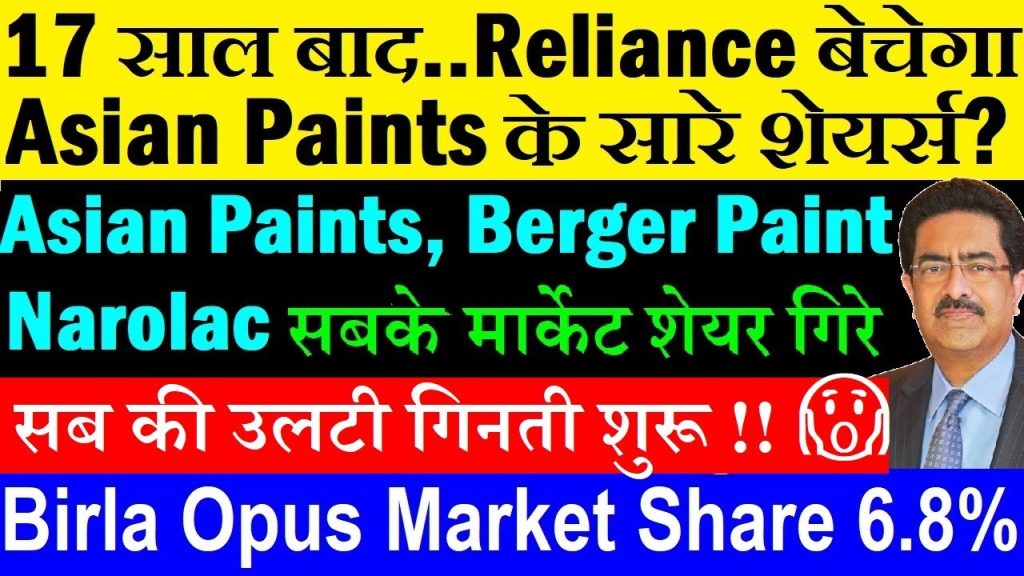
The Indian paint industry, long dominated by giants like Asian Paints, Berger Paints, and Kansai Nerolac, faces a seismic shift. A new player, Birla Opus, has stormed into the market, capturing a remarkable 6.8% market share in just over a year. This aggressive ascent has sent shockwaves through the sector, challenging the status quo and threatening the market dominance of established brands. In this in-depth analysis, we explore how Birla Opus is reshaping the paint industry, why Asian Paints is bearing the brunt, and what this means for the future of the sector.

The Rise of Birla Opus: A Game-Changer in the Paint Industry

Birla Opus, backed by the formidable Aditya Birla Group, entered the paint market with bold ambitions. Unlike smaller players that struggled to make a dent, Birla Opus leveraged the group’s vast resources and expertise in industries like cement, steel, and real estate to establish a strong foothold. Within nine months of its launch, the company secured a 3.5% market share, a feat that stunned competitors. By March 2025, Birla Opus announced its market share had soared to 6.8%, nearly doubling its initial gains.

This rapid growth underscores Birla Opus’s aggressive strategy. The company has set a target of achieving ₹10,000 crore in revenue within three years, a goal that seems increasingly attainable given its early success. Unlike previous entrants like JSW Paints or Pidilite, Birla Opus poses a credible threat due to its financial muscle, strategic focus, and operational scale.

Why Birla Opus Is Different

The Aditya Birla Group’s diversified portfolio gives Birla Opus a unique edge. Its existing distribution networks in cement and real estate allow seamless integration of paint products into construction and home improvement projects. This synergy enables Birla Opus to reach customers in Tier 2 and Tier 3 cities, where demand for affordable, high-quality paints is surging. Additionally, the company’s ability to offer substantial discounts and incentives has attracted both dealers and consumers, further fueling its growth.

Asian Paints: Losing Ground to Birla Opus

Asian Paints, the undisputed leader with a 59% market share just a year ago, has seen its dominance erode. By March 2025, its market share plummeted to 52%, a staggering 7% decline. This loss is particularly alarming for a company that has long enjoyed a near-monopoly in the Indian paint market.

Why Asian Paints Is the Primary Target

Birla Opus has strategically targeted Asian Paints’ core customer base—premium consumers in Tier 2 and Tier 3 markets. These regions, where Asian Paints has historically dominated, are now battlegrounds for market share. Birla Opus’s aggressive pricing strategy, offering discounts of up to 30% on comparable products, has lured cost-conscious customers away from Asian Paints. For example, if a can of Asian Paints costs ₹100, Birla Opus might offer a similar product for ₹70, making it an attractive alternative.

Moreover, Birla Opus has poached mid-level managers from Asian Paints, gaining access to valuable industry insights and expertise. This talent acquisition strategy has allowed Birla Opus to refine its distribution and marketing tactics, directly challenging Asian Paints’ stronghold.

The Impact on Asian Paints’ Market Share

The 7% drop in Asian Paints’ market share is not just a number—it reflects a significant shift in consumer preferences and competitive dynamics. While Asian Paints still holds over 50% of the market, its monopoly is no longer intact. The company now operates on a precarious edge, with competitors like Birla Opus closing in rapidly.

Berger Paints and Kansai Nerolac: Collateral Damage

While Asian Paints has taken the biggest hit, other major players are also feeling the heat. Berger Paints, which held an 18% market share, saw it slip to 17%. Kansai Nerolac, with a 15% share, experienced a steeper decline, dropping to just 9%. These losses highlight Birla Opus’s broad impact on the industry.

Berger Paints’ Struggles

Berger Paints has traditionally competed in the mid-to-premium segment, where it faces direct competition from Birla Opus’s aggressive pricing. The 1% decline in market share may seem modest, but it signals growing pressure on Berger’s profitability and brand loyalty.

Kansai Nerolac’s Sharp Decline

Kansai Nerolac’s 6% market share loss is particularly concerning. The company, known for its industrial and automotive coatings, has struggled to maintain its decorative paints segment in the face of Birla Opus’s onslaught. Its weakened position underscores the challenges smaller players face against a well-funded newcomer.

Birla Opus’s Winning Strategies

Birla Opus’s meteoric rise is no accident. The company has deployed a multi-pronged strategy to disrupt the paint industry.

Aggressive Pricing Power

By offering steep discounts, Birla Opus has made its products accessible to price-sensitive consumers in Tier 2 and Tier 3 markets. This pricing power not only attracts customers but also pressures competitors to lower their margins, eroding profitability across the sector.

Strategic Talent Acquisition

Hiring experienced managers from Asian Paints has given Birla Opus a competitive edge. These professionals bring insider knowledge of distribution networks, customer preferences, and operational efficiencies, enabling Birla Opus to outmaneuver its rivals.

Leveraging Existing Infrastructure

Birla Opus benefits from the Aditya Birla Group’s established supply chains in cement and real estate. This infrastructure allows the company to distribute paints efficiently and at lower costs, giving it a significant advantage over competitors.

Focus on Tier 2 and Tier 3 Markets

Unlike Tier 1 cities, where brand loyalty to Asian Paints remains strong, Tier 2 and Tier 3 markets are more price-driven. Birla Opus has capitalized on this by targeting these regions with tailored products and aggressive marketing.

Heavy Investment in Technology and Capacity

With no shortage of capital, Birla Opus has invested heavily in state-of-the-art manufacturing facilities and R&D. This allows the company to produce high-quality paints at scale, meeting the growing demand in India’s rapidly expanding construction sector.

The Role of Reliance: A Potential Game-Changer

Adding to the industry’s upheaval, reports suggest that Reliance Industries, which holds a 4.9% stake in Asian Paints, may exit its investment. Acquired in 2008 for ₹500 crore, this stake is now valued at approximately $1.3 billion, delivering a 24x return. The potential sale has sparked speculation about Reliance’s confidence in Asian Paints’ future amid intensifying competition.

Why Is Reliance Selling?

While the exact reasons remain unclear, industry analysts point to the rising competitive pressure from Birla Opus as a key factor. Reliance may view the current market dynamics as an opportune moment to cash out, especially given the substantial returns on its investment.

Implications for Asian Paints

The sale of Reliance’s stake could have significant implications. If the deal occurs at a discount—say, ₹2000 per share compared to Asian Paints’ current price of ₹2300—it could signal a lower valuation for the company. Conversely, a premium sale could bolster investor confidence. The outcome will provide critical insights into Asian Paints’ fair value and market perception.

The Paint Industry’s Competitive Landscape

The Indian paint industry, valued at over ₹70,000 crore, is undergoing a transformation. Birla Opus’s entry has intensified competition, forcing established players to rethink their strategies.

Market Share Dynamics

The combined market share losses of Asian Paints (7%), Berger Paints (1%), and Kansai Nerolac (6%) total approximately 14%. While Birla Opus’s 6.8% gain doesn’t fully account for these losses, it’s clear that the company is a major catalyst. Other players, such as JSW Paints and Pidilite, have also contributed to the fragmentation of market share, but none match Birla Opus’s scale and impact.

Pricing Wars and Profitability

The influx of new players has triggered a pricing war, with discounts becoming a key weapon. While this benefits consumers, it squeezes margins for companies like Asian Paints, which rely on premium pricing to maintain profitability. Berger and Kansai Nerolac, already operating on thinner margins, face even greater challenges.

Consumer Behavior Shifts

Birla Opus’s focus on affordability has resonated with India’s growing middle class, particularly in smaller cities. As consumers prioritize value for money, brand loyalty to established names like Asian Paints is waning, creating opportunities for agile newcomers.

Challenges for Asian Paints

Asian Paints faces a critical juncture. To counter Birla Opus and other competitors, the company must adapt swiftly.

Strengthening Distribution Networks

Asian Paints’ extensive distribution network remains a key strength, but Birla Opus’s inroads into Tier 2 and Tier 3 markets threaten this advantage. The company must reinforce its presence in these regions through targeted marketing and dealer incentives.

Innovating Product Offerings

To regain lost ground, Asian Paints should invest in innovative products, such as eco-friendly or smart paints, that appeal to modern consumers. Differentiation through quality and sustainability could help the company maintain its premium positioning.

Managing Pricing Pressures

While matching Birla Opus’s discounts may erode margins, Asian Paints could explore tiered pricing strategies to cater to both premium and budget-conscious customers. This approach would help retain market share without sacrificing profitability.

Opportunities for Birla Opus

Birla Opus’s early success positions it for further growth. By continuing to leverage its strengths, the company could solidify its place among the industry’s top players.

Expanding Product Portfolio

Birla Opus should diversify its offerings to include specialized paints for industrial and automotive applications, challenging Kansai Nerolac’s dominance in these segments. A broader portfolio would also appeal to a wider customer base.

Scaling Up Marketing Efforts

Investing in high-impact marketing campaigns can boost brand visibility and loyalty. Celebrity endorsements, digital advertising, and partnerships with real estate developers could drive demand in both urban and rural markets.

Pursuing Strategic Acquisitions

With its financial firepower, Birla Opus could acquire smaller paint brands or regional players to accelerate growth. Such moves would expand its market presence and eliminate competitors.

The Stock Market Perspective

For investors, Birla Opus’s rise presents both opportunities and risks. However, Birla Opus is not directly listed on the stock market. Its parent company, Grasim Industries, houses the paint business alongside other segments like fiber, chemicals, and textiles. Investing in Grasim provides exposure to Birla Opus but also dilutes focus due to its diversified operations.

Grasim Industries: A Proxy for Birla Opus

Grasim’s stock performance reflects the broader success of the Aditya Birla Group, including Birla Opus’s growth. However, investors must weigh the risks of exposure to non-paint businesses, such as textiles or chemicals, which may underperform.

Asian Paints’ Stock Volatility

Asian Paints’ stock has faced pressure, with a 2% drop reported amid news of Reliance’s potential stake sale. Investors should monitor the terms of this deal, as a discounted sale could further depress the stock price, while a premium deal might signal undervaluation.

The Future of the Paint Industry

Birla Opus’s disruptive entry marks a turning point for the Indian paint industry. As competition intensifies, the sector is likely to see further consolidation, innovation, and shifts in consumer preferences.

Short-Term Outlook

In the near term, Birla Opus will continue to challenge Asian Paints, Berger, and Kansai Nerolac through aggressive pricing and expansion. Established players must respond with strategic countermeasures to protect their market share.

Long-Term Trends

Over the next decade, the paint industry will evolve with trends like sustainable paints, smart coatings, and digital sales platforms. Companies that invest in these areas will gain a competitive edge, while those that fail to adapt risk obsolescence.

Potential for Industry Consolidation

As smaller players struggle to compete, mergers and acquisitions could reshape the industry. Birla Opus, with its deep pockets, is well-positioned to lead this consolidation, potentially acquiring struggling competitors to bolster its market share.

Conclusion

Birla Opus’s meteoric rise to a 6.8% market share has upended the Indian paint industry, posing a formidable challenge to Asian Paints, Berger Paints, and Kansai Nerolac. By leveraging aggressive pricing, strategic talent acquisition, and the Aditya Birla Group’s infrastructure, Birla Opus has disrupted a market long dominated by a few giants. Asian Paints, in particular, faces a critical test as its market share drops to 52%, compounded by Reliance’s potential exit. As the industry navigates this new competitive landscape, companies must innovate, adapt, and strategize to thrive. For consumers, the result is greater choice and affordability, but for industry leaders, the countdown to reclaim their dominance has begun.

Exit mobile version