


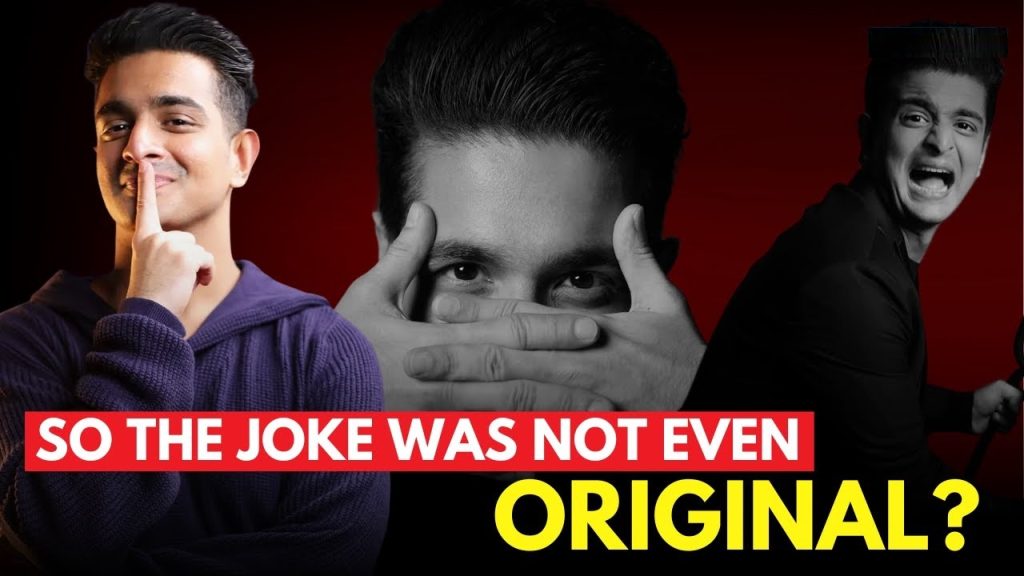
The Indian digital content landscape was recently shaken by a high-profile controversy involving popular YouTuber Ranveer Allahbadia, better known as BeerBiceps, and his appearance on the reality show India’s Got Talent. The incident, which spiraled into legal battles and nationwide debates, raises critical questions about creative freedom, content regulation, and ethical boundaries in comedy. This article dives deep into the controversy, its implications, and the broader lessons for content creators and audiences alike.
What Sparked the BeerBiceps Controversy?
The Offensive Remark That Went Viral
During an episode of India’s Got Talent, Ranveer Allahbadia made a controversial joke targeting a contestant’s family. The remark, which included references to incestuous relationships, was part of a segment designed to mock participants under the guise of “roast comedy.” While the show’s format often includes edgy humor, this particular comment crossed a line for many viewers.
The video, initially exclusive to YouTube Members (paid subscribers), quickly leaked to the public. Within hours, social media erupted with outrage, accusing BeerBiceps of normalizing toxic and offensive content.
Legal Action and FIRs Filed
The backlash escalated when political leaders, including Maharashtra CM Devendra Fadnavis and Assam CM Himanta Biswa Sarma, condemned the remark. Multiple FIRs were filed under:
- Section 294 (obscene acts or words in public)
- Section 509 (insulting modesty of a woman)
- IT Act Section 67 (transmitting obscene material electronically)
Mumbai’s Versova Police Station launched an investigation, questioning the show’s producers and panelists.
India’s Got Talent: A History of Provocative Content
The Show’s Format and Audience
India’s Got Talent has long relied on shock value and “insult comedy” to attract viewers. With 74 million subscribers and episodes garnering 30–40 million views, the show thrives on pushing boundaries. However, critics argue that its content often targets vulnerable groups, including individuals with disabilities or mental health issues, under the pretext of humor.
Why This Episode Crossed the Line
While previous episodes faced minor criticism, Ranveer’s comment struck a nerve due to:
- His Reputation: Known for podcasts on spirituality and geopolitics, BeerBiceps’ pivot to crude humor shocked his audience.
- The Context: The joke echoed a recurring segment in U.S. comedy shows, but its cultural translation in India ignored local sensitivities.
- Lack of Age Restrictions: The show’s accessibility to minors sparked concerns about exposure to inappropriate content.
Legal and Ethical Implications of the Controversy
Freedom of Speech vs. Responsible Content
The incident reignited debates about Article 19(1)(a) of the Indian Constitution, which guarantees free speech. However, legal experts emphasize that freedom of expression ends where public decency begins. As CM Fadnavis stated, “The law must act when speech harms societal values.”
Regulatory Gaps in Digital Content
Unlike films, which require CBFC certifications, web shows like India’s Got Talent operate in a regulatory gray area. The absence of age-gating or content warnings for platforms like YouTube exacerbates risks for young audiences.
The Role of Platforms and Creators
YouTube faced scrutiny for monetizing the episode through its Members-Only model. Critics argue that platforms must enforce stricter guidelines, while creators like BeerBiceps bear responsibility for balancing creativity with accountability.
Public Reaction: Backlash, Apologies, and Lessons
Ranveer Allahbadia’s Apology
Facing immense pressure, BeerBiceps issued a public apology, stating:
“Comedy isn’t my forte. I made a mistake, and I’m sorry.”
However, critics noted the apology lacked context acknowledgment, further alienating his core audience.
Audience Divide: Support vs. Criticism
- Supporters argued that dark humor has its audience and creators shouldn’t be censored.
- Critics highlighted the joke’s potential to traumatize young viewers and normalize harmful stereotypes.
Broader Lessons for Content Creators
Navigating Creative Risks
- Know Your Audience: Content that resonates in one cultural context may backfire in another.
- Self-Regulate: Implement internal reviews for sensitive topics.
- Engage Ethically: Avoid exploiting shock value for short-term gains.
The Need for Industry Standards
The controversy underscores the urgency for:
- Uniform Content Ratings: Age restrictions and trigger warnings for digital shows.
- Creator Accountability: Legal consequences for crossing ethical boundaries.
FAQ: Key Questions About the BeerBiceps Controversy
1. What legal charges does Ranveer Allahbadia face?
He faces charges under Sections 294, 509 IPC, and IT Act Section 67 for obscenity and insulting modesty.
2. How did YouTube respond?
YouTube deleted the video post-backlash but faced criticism for delayed action.
3. Can comedians joke about sensitive topics?
Yes, but context and intent matter. Humor targeting marginalized groups or illegal acts risks legal and public ire.
4. What’s next for India’s Got Talent?
The show may rebrand its format to avoid similar controversies, though its core audience remains divided.
Conclusion: Balancing Creativity and Responsibility
The BeerBiceps controversy is a wake-up call for India’s digital content ecosystem. While creativity must thrive, it cannot come at the cost of societal values or legal boundaries. As audiences demand accountability, creators and platforms must collaborate to foster ethical, engaging, and responsible content.
What’s your take? Should comedy have limits, or is “cancel culture” stifling free speech? Share your thoughts below!