Site icon Telangana NavaNirmana Sena

Complaint by Bengali Actress Sreelekha Mitra, Director Ranjith Booked

Bengali actress Sreelekha Mitra recently filed a formal complaint against renowned Malayalam director Ranjith, marking a significant turn in a case that has garnered widespread attention. The complaint stems from an alleged incident in 2009, during which Mitra claims she experienced sexual harassment while in Kochi for discussions regarding a role in a film directed by Ranjith. Background of the Incident Sreelekha Mitra, a prominent figure in Bengali cinema, detailed her experience in an email sent to the Kochi Police Commissioner. According to Mitra, the incident occurred in 2009 when she was in Kochi for talks about a role in the movie "Palerimanikkam," which Ranjith was set to direct. During a meeting at a flat in Kaloor Kadavanthra, Kochi, Mitra alleges that Ranjith attempted to inappropriately touch her, crossing professional boundaries. In her complaint, Mitra recounted that Ranjith "clutched" her hand and tried to touch other parts of her body with sexual intent. Realizing the situation, Mitra managed to leave the flat and returned to her hotel. She shared her distressing experience with scriptwriter Joshy Joseph the following day, who also assisted her in arranging travel back home, as she was not provided with a return ticket. Mitra's Delay in Pursuing Legal Action Initially, Mitra did not take legal action against Ranjith. Being unfamiliar with the legal processes in Kerala and hailing from Kolkata, she felt disempowered and uncertain about how to proceed. However, recent developments, including public comments from officials and a Supreme Court ruling, prompted her to come forward. Mitra emphasized in her email that the nature of the crime did not require a written complaint to initiate legal action, contrary to what some state functionaries had previously indicated. Legal Proceedings and Investigation Following Mitra's complaint, the Kochi City Police promptly registered a case against Ranjith. Inspector General of Police and Commissioner S Syamsundar confirmed that a crime had been registered under Section 354 of the Indian Penal Code, which pertains to assault or criminal force to a woman with intent to outrage her modesty. The investigation will be carried out by a special investigation team constituted by the government. This case has taken on a broader significance within the Malayalam film industry, especially in light of recent revelations about systemic harassment and exploitation faced by women professionals. Earlier this month, a redacted version of the Justice Hema Committee report was made public, highlighting the pervasive mistreatment of women in the industry. Justice Hema Committee Report: A Broader Context The Justice Hema Committee was established by the Kerala government in 2017 to investigate and report on the harassment faced by women in the Malayalam cinema industry. The committee, comprising three members and headed by a former Kerala High Court judge, submitted its findings in December 2019. The report was only made public this month, and it has shed light on the disturbing realities of the industry. The 235-page report contains harrowing accounts of harassment, exploitation, and ill-treatment of women working in Malayalam cinema. It also points to a power structure dominated by a small group of male producers, directors, and actors who wield significant influence over the industry. The report's publication has ignited discussions and debates, urging for reforms and greater accountability within the industry. Impact on the Malayalam Film Industry The allegations against Ranjith and the broader revelations from the Justice Hema Committee report have sent shockwaves through the Malayalam film industry. There is growing pressure on the industry to address the deeply rooted issues of harassment and to create a safer working environment for women. The timing of Mitra's complaint, coinciding with the release of the Justice Hema Committee report, has underscored the urgent need for systemic change. Industry insiders and the public alike are calling for more stringent measures to protect women and ensure that perpetrators of harassment are held accountable. Public and Industry Reactions Public reactions to Mitra’s complaint have been varied, with some expressing shock and others voicing support for the actress. The case has reignited discussions on the safety and rights of women in the film industry, particularly in Malayalam cinema. Many are calling for a thorough investigation and for Ranjith to face legal consequences if found guilty. The Malayalam film industry, already under scrutiny due to the Justice Hema Committee report, is now facing even greater pressure to reform. The allegations against a director as prominent as Ranjith highlight the extent of the problem and the need for an industry-wide reckoning. Conclusion The case involving Sreelekha Mitra and Ranjith is a poignant reminder of the challenges faced by women in the film industry. It has brought to the forefront issues of harassment, exploitation, and the urgent need for systemic change. As the investigation progresses, the outcome will not only impact the individuals involved but could also serve as a catalyst for broader reforms in the Malayalam cinema industry. The allegations and the subsequent legal actions are a critical moment for the industry, one that could pave the way for a more equitable and safe environment for all professionals, especially women. The focus now remains on ensuring that justice is served and that the industry takes concrete steps to address these long-standing issues.

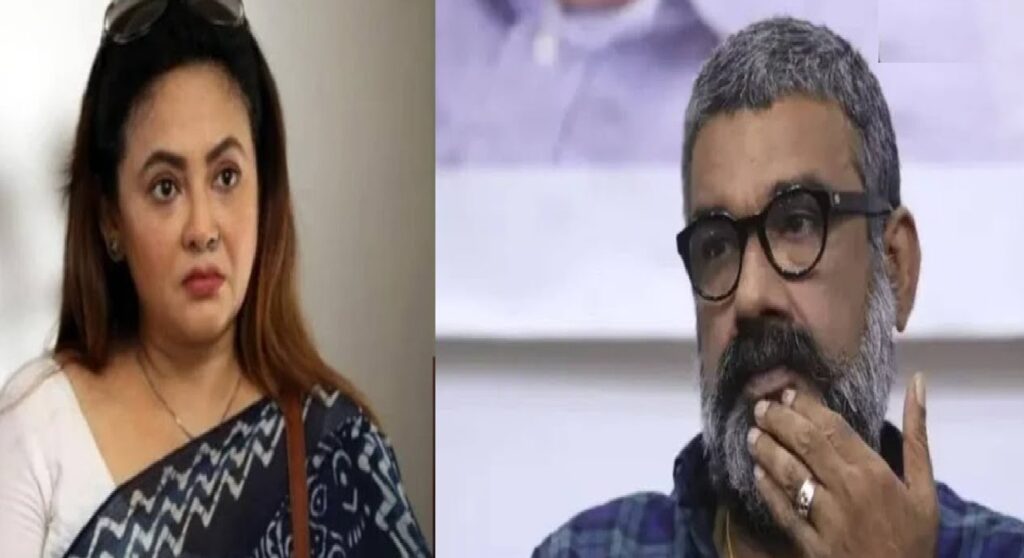
Bengali actress Sreelekha Mitra recently filed a formal complaint against renowned Malayalam director Ranjith, marking a significant turn in a case that has garnered widespread attention. The complaint stems from an alleged incident in 2009, during which Mitra claims she experienced sexual harassment while in Kochi for discussions regarding a role in a film directed by Ranjith.

Background of the Incident

Sreelekha Mitra, a prominent figure in Bengali cinema, detailed her experience in an email sent to the Kochi Police Commissioner. According to Mitra, the incident occurred in 2009 when she was in Kochi for talks about a role in the movie “Palerimanikkam,” which Ranjith was set to direct. During a meeting at a flat in Kaloor Kadavanthra, Kochi, Mitra alleges that Ranjith attempted to inappropriately touch her, crossing professional boundaries.

In her complaint, Mitra recounted that Ranjith “clutched” her hand and tried to touch other parts of her body with sexual intent. Realizing the situation, Mitra managed to leave the flat and returned to her hotel. She shared her distressing experience with scriptwriter Joshy Joseph the following day, who also assisted her in arranging travel back home, as she was not provided with a return ticket.

Mitra’s Delay in Pursuing Legal Action

Initially, Mitra did not take legal action against Ranjith. Being unfamiliar with the legal processes in Kerala and hailing from Kolkata, she felt disempowered and uncertain about how to proceed. However, recent developments, including public comments from officials and a Supreme Court ruling, prompted her to come forward. Mitra emphasized in her email that the nature of the crime did not require a written complaint to initiate legal action, contrary to what some state functionaries had previously indicated.

Legal Proceedings and Investigation

Following Mitra’s complaint, the Kochi City Police promptly registered a case against Ranjith. Inspector General of Police and Commissioner S Syamsundar confirmed that a crime had been registered under Section 354 of the Indian Penal Code, which pertains to assault or criminal force to a woman with intent to outrage her modesty. The investigation will be carried out by a special investigation team constituted by the government.

This case has taken on a broader significance within the Malayalam film industry, especially in light of recent revelations about systemic harassment and exploitation faced by women professionals. Earlier this month, a redacted version of the Justice Hema Committee report was made public, highlighting the pervasive mistreatment of women in the industry.

Justice Hema Committee Report: A Broader Context

The Justice Hema Committee was established by the Kerala government in 2017 to investigate and report on the harassment faced by women in the Malayalam cinema industry. The committee, comprising three members and headed by a former Kerala High Court judge, submitted its findings in December 2019. The report was only made public this month, and it has shed light on the disturbing realities of the industry.

The 235-page report contains harrowing accounts of harassment, exploitation, and ill-treatment of women working in Malayalam cinema. It also points to a power structure dominated by a small group of male producers, directors, and actors who wield significant influence over the industry. The report’s publication has ignited discussions and debates, urging for reforms and greater accountability within the industry.

Impact on the Malayalam Film Industry

The allegations against Ranjith and the broader revelations from the Justice Hema Committee report have sent shockwaves through the Malayalam film industry. There is growing pressure on the industry to address the deeply rooted issues of harassment and to create a safer working environment for women.

The timing of Mitra’s complaint, coinciding with the release of the Justice Hema Committee report, has underscored the urgent need for systemic change. Industry insiders and the public alike are calling for more stringent measures to protect women and ensure that perpetrators of harassment are held accountable.

Public and Industry Reactions

Public reactions to Mitra’s complaint have been varied, with some expressing shock and others voicing support for the actress. The case has reignited discussions on the safety and rights of women in the film industry, particularly in Malayalam cinema. Many are calling for a thorough investigation and for Ranjith to face legal consequences if found guilty.

The Malayalam film industry, already under scrutiny due to the Justice Hema Committee report, is now facing even greater pressure to reform. The allegations against a director as prominent as Ranjith highlight the extent of the problem and the need for an industry-wide reckoning.

Conclusion

The case involving Sreelekha Mitra and Ranjith is a poignant reminder of the challenges faced by women in the film industry. It has brought to the forefront issues of harassment, exploitation, and the urgent need for systemic change. As the investigation progresses, the outcome will not only impact the individuals involved but could also serve as a catalyst for broader reforms in the Malayalam cinema industry.

The allegations and the subsequent legal actions are a critical moment for the industry, one that could pave the way for a more equitable and safe environment for all professionals, especially women. The focus now remains on ensuring that justice is served and that the industry takes concrete steps to address these long-standing issues.

Exit mobile version