


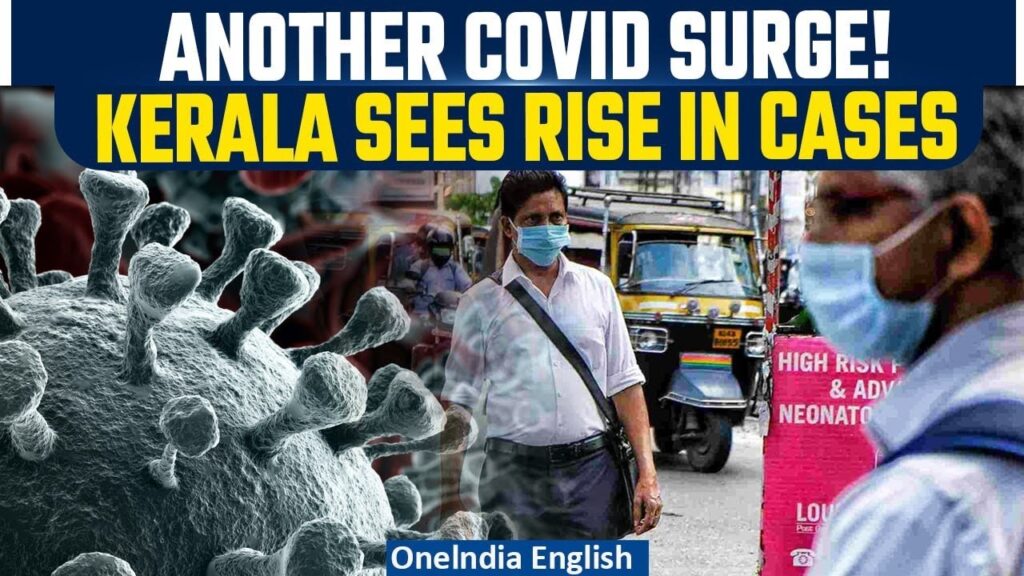
The alarming spike in Covid-19 cases in Kerala, India, has been tied to the newly identified JN.1 variant, according to recent findings by the Indian SARS-CoV-2 Genomics Consortium (INSACOG). With 280 fresh cases reported within a 24-hour period, concerns are mounting, prompting discussions about potential restrictions to curb the spread.
Uncovering the JN.1 Variant
INSACOG’s latest data confirms the presence of the JN.1 variant in Kerala, a state already grappling with a notable increase in Covid-19 cases. This variant, a sub-lineage of the BA.2.86 Omicron variant, originated in Luxembourg in August and has since made its way to various countries.
Escalating Covid-19 Numbers
On Friday, India recorded a total of 312 new Covid-19 cases, with a substantial 280 cases emerging from Kerala alone. The surge in cases has been a cause for concern over the past week, with government data indicating that these new cases resulted from 17,605 tests conducted in the preceding 24 hours.
Disturbing Trends in Kerala
Kerala has witnessed a sudden surge in Covid-19 cases, leading to heightened vigilance. This surge is evident in the statistics, with 470 cases reported in November and a staggering 825 new cases within the first ten days of the current month—making it the highest in India. As of Thursday, the state is grappling with 1,104 active Covid cases.
Insights from Medical Professionals
Dr. Sunny P. Orathel, the state hospital medical superintendent, shed light on the situation. He noted that Covid cases are often identified in patients admitted to hospitals with respiratory symptoms. Interestingly, many test negative for H1N1 but positive for Covid. Dr. Orathel highlighted a shift in the nature of symptoms, attributing the aggravation to atmospheric pollution and climate change.
Impending Restrictions
Given the detection of the JN.1 sub-variant of the Omicron variant in Kerala, authorities are emphasizing the importance of continuous monitoring. The JN.1 variant, having raised fresh concerns, has placed the state on high alert. Reports suggest that if the upward trajectory of cases persists, the Kerala government may consider imposing restrictions and implementing preventive measures, particularly in sensitive areas.
In conclusion, the surge in Covid-19 cases in Kerala, coupled with the emergence of the JN.1 variant, necessitates swift and strategic actions. Authorities are closely monitoring the situation, and the prospect of imposing restrictions looms large if the situation demands it. The evolving scenario underscores the critical need for public awareness and adherence to safety measures in the face of this emerging threat.
Singapore Grapples with COVID-19 Surge, Predominantly Driven by JN.1 Variant
Uncover the details of Singapore’s recent COVID-19 surge, predominantly attributed to the JN.1 variant. Explore the Ministry of Health’s insights and recommendations in this comprehensive article.
Singapore Ministry of Health’s Assessment
In the wake of a resurgence in COVID-19 cases, the Singapore Ministry of Health (MOH) has reported a staggering 75% increase in cases from December 3 to 9, totaling 56,043 cases compared to the previous week’s 32,035. This surge has prompted a closer examination, with a predominant presence of the JN.1 variant, a sublineage of BA.2.86, as the culprit.
Understanding the JN.1 Variant
The MOH, after thorough analysis of international and local data, asserts that there is currently no conclusive evidence suggesting that the JN.1 variant is more transmissible or causes more severe illness than other circulating variants. This crucial information is instrumental in dispelling unnecessary panic and fostering a nuanced understanding of the situation.
Impact on Healthcare Infrastructure
As a consequence of the surge, the average daily hospitalizations for COVID-19 increased from 225 to 350. Additionally, the intensive care unit (ICU) has seen a rise in average daily cases from four to nine, indicative of the strain on healthcare resources.
Proactive Measures Advocated by MOH
In response to the escalating situation, the MOH has issued a strong advisory, encouraging the wearing of face masks in crowded places, even for those who are not exhibiting symptoms. This recommendation particularly emphasizes indoor settings and interactions with vulnerable individuals.
Frequently Asked Questions
Q: Is the JN.1 variant more dangerous than other variants?
A: According to the Singapore Ministry of Health, there is currently no clear indication that the JN.1 variant is more transmissible or causes more severe disease than other circulating variants.
Q: What proactive measures are recommended by the MOH?
A: The MOH strongly encourages the wearing of face masks in crowded places, even if individuals are not ill. This is especially emphasized for indoor settings and when interacting with vulnerable individuals.
Q: How has the healthcare infrastructure been affected?
A: The surge in COVID-19 cases has resulted in a significant increase in average daily hospitalizations and ICU cases, putting strain on healthcare resources.
In conclusion, staying informed about the nature of the JN.1 variant and adhering to the proactive measures recommended by the MOH is crucial in navigating the current COVID-19 landscape in Singapore. By prioritizing public health and collective responsibility, we can collectively contribute to mitigating the impact of the ongoing surge.