Site icon Telangana NavaNirmana Sena

Bengaluru Metro Phase-3 Approved

Bengaluru, often referred to as the Silicon Valley of India, is on the brink of a transformative leap in urban transportation with the proposed Phase-3 expansion of its Metro network. This ambitious project, which comes with a substantial budget of Rs 15,611 crore, aims to ease traffic congestion and improve connectivity across the city. Let’s delve into the details of this significant infrastructure development and explore how it plans to address the challenges faced by Bengaluru's commuters. Overview of Phase-3 Expansion The Bengaluru Metro Phase-3 project involves the construction of two elevated corridors spanning 44.65 kilometers. These corridors are strategically planned to enhance connectivity between key areas of the city and serve a projected daily ridership of 9.12 lakh passengers by 2051. Key Corridors and Routes Orange Line: Kempapura to JP Nagar 4th Phase Length: 32.15 km Stations: 22 Key Areas Covered: The Orange Line connects crucial neighborhoods such as Kempapura, Hebbal, Nagashetty Halli, BEL Circle, and JP Nagar. It promises to provide seamless travel across these areas, significantly reducing travel time. Silver Line: Kadabagare to Hosahalli Length: 12.5 km Stations: 9 Key Areas Covered: The Silver Line runs through vital localities like Kadabagare, Kamath Layout, and Hosahalli, improving access and convenience for daily commuters. Project Timeline and Cost The Phase-3 project is currently awaiting final approval from the Cabinet. The state government has already greenlighted the tendering process, with construction expected to commence in 2026. The initial deadline for project completion was set for 2028, but recent proposals to incorporate double-decker flyovers may extend this timeline by an additional year. Challenges and Innovations Double-Decker Flyovers One of the significant challenges facing the Phase-3 project is the proposal to construct double-decker flyovers along the Metro corridors. This innovative approach aims to maximize the use of available space and alleviate traffic congestion in Bengaluru's densely populated areas. Deputy Chief Minister DK Shivakumar has advocated for these flyovers to be integrated into the Metro projects, highlighting their potential to transform the city's traffic dynamics. Coordination with BBMP The Bangalore Metro Rail Corporation Ltd (BMRCL) faces hurdles in coordinating with the Bruhat Bengaluru Mahanagara Palike (BBMP) to finalize road construction plans beneath the upcoming Metro lines. A senior BMRCL official emphasized the need for BBMP's cooperation in building roads that complement the Metro infrastructure. Delays in obtaining BBMP's confirmation could impact the tendering process and project timelines. Strategic Benefits of Phase-3 Enhanced Connectivity The new Metro lines will connect significant residential and commercial hubs, reducing travel time and boosting economic activity. Commuters from areas like JP Nagar, Hebbal, and Magadi Road will benefit from improved accessibility and reduced dependence on road transport. Traffic Decongestion By offering an efficient alternative to road travel, the Phase-3 Metro expansion aims to alleviate Bengaluru's notorious traffic congestion. The introduction of double-decker flyovers is expected to further enhance traffic flow and reduce bottlenecks in critical areas. Economic Impact The development of Phase-3 is anticipated to stimulate economic growth by attracting investments and creating employment opportunities. Improved connectivity will encourage businesses to expand operations in Bengaluru, solidifying its status as a major economic hub. Future Prospects and Additional Routes Phase-3A: Expanding Horizons In addition to the primary corridors, the Phase-3A project plans to introduce a new 37 km corridor connecting Hebbal and Sarjapura. This extension aims to cater to the growing demand for efficient transport solutions in these burgeoning areas. Long-Term Vision Bangalore Metro's vision extends beyond Phase-3, with numerous potential routes being explored for future expansion. These include connections between Carmelaram and Yelahanka, Marathahalli and Hosakerehalli, and other vital city locations. These plans reflect the city's commitment to continuous improvement and modernization of its public transport network. Conclusion The Bengaluru Metro Phase-3 project is poised to revolutionize urban transportation in one of India's fastest-growing cities. With strategic routes, innovative infrastructure solutions, and a focus on enhanced connectivity, this expansion promises to address the pressing challenges of traffic congestion and accessibility. As the city awaits final approval and embarks on this ambitious journey, the future of Bengaluru's public transport network appears brighter than ever. By prioritizing efficiency and sustainability, the Phase-3 project will not only transform commuting but also contribute significantly to the city's overall development.

Bengaluru, often referred to as the Silicon Valley of India, is on the brink of a transformative leap in urban transportation with the proposed Phase-3 expansion of its Metro network. This ambitious project, which comes with a substantial budget of Rs 15,611 crore, aims to ease traffic congestion and improve connectivity across the city. Let’s delve into the details of this significant infrastructure development and explore how it plans to address the challenges faced by Bengaluru’s commuters.

Overview of Phase-3 Expansion

The Bengaluru Metro Phase-3 project involves the construction of two elevated corridors spanning 44.65 kilometers. These corridors are strategically planned to enhance connectivity between key areas of the city and serve a projected daily ridership of 9.12 lakh passengers by 2051.

Key Corridors and Routes

  1. Orange Line: Kempapura to JP Nagar 4th Phase
    • Length: 32.15 km
    • Stations: 22
    • Key Areas Covered: The Orange Line connects crucial neighborhoods such as Kempapura, Hebbal, Nagashetty Halli, BEL Circle, and JP Nagar. It promises to provide seamless travel across these areas, significantly reducing travel time.
  2. Silver Line: Kadabagare to Hosahalli
    • Length: 12.5 km
    • Stations: 9
    • Key Areas Covered: The Silver Line runs through vital localities like Kadabagare, Kamath Layout, and Hosahalli, improving access and convenience for daily commuters.

Project Timeline and Cost

The Phase-3 project is currently awaiting final approval from the Cabinet. The state government has already greenlighted the tendering process, with construction expected to commence in 2026. The initial deadline for project completion was set for 2028, but recent proposals to incorporate double-decker flyovers may extend this timeline by an additional year.

Challenges and Innovations

Double-Decker Flyovers

One of the significant challenges facing the Phase-3 project is the proposal to construct double-decker flyovers along the Metro corridors. This innovative approach aims to maximize the use of available space and alleviate traffic congestion in Bengaluru’s densely populated areas. Deputy Chief Minister DK Shivakumar has advocated for these flyovers to be integrated into the Metro projects, highlighting their potential to transform the city’s traffic dynamics.

Coordination with BBMP

The Bangalore Metro Rail Corporation Ltd (BMRCL) faces hurdles in coordinating with the Bruhat Bengaluru Mahanagara Palike (BBMP) to finalize road construction plans beneath the upcoming Metro lines. A senior BMRCL official emphasized the need for BBMP’s cooperation in building roads that complement the Metro infrastructure. Delays in obtaining BBMP’s confirmation could impact the tendering process and project timelines.

Strategic Benefits of Phase-3

Enhanced Connectivity

The new Metro lines will connect significant residential and commercial hubs, reducing travel time and boosting economic activity. Commuters from areas like JP Nagar, Hebbal, and Magadi Road will benefit from improved accessibility and reduced dependence on road transport.

Traffic Decongestion

By offering an efficient alternative to road travel, the Phase-3 Metro expansion aims to alleviate Bengaluru’s notorious traffic congestion. The introduction of double-decker flyovers is expected to further enhance traffic flow and reduce bottlenecks in critical areas.

Economic Impact

The development of Phase-3 is anticipated to stimulate economic growth by attracting investments and creating employment opportunities. Improved connectivity will encourage businesses to expand operations in Bengaluru, solidifying its status as a major economic hub.

Future Prospects and Additional Routes

Phase-3A: Expanding Horizons

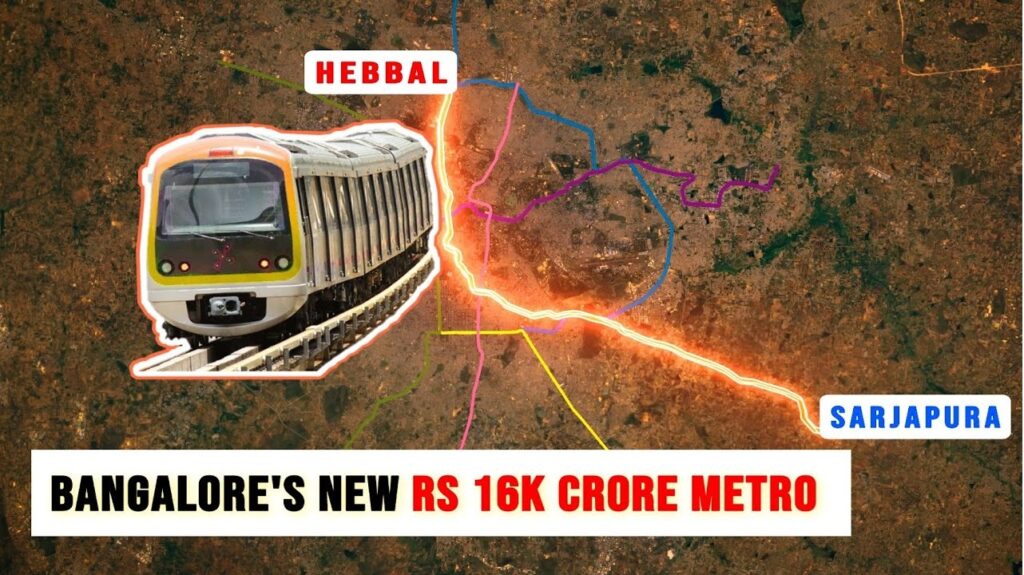
In addition to the primary corridors, the Phase-3A project plans to introduce a new 37 km corridor connecting Hebbal and Sarjapura. This extension aims to cater to the growing demand for efficient transport solutions in these burgeoning areas.

Long-Term Vision

Bangalore Metro’s vision extends beyond Phase-3, with numerous potential routes being explored for future expansion. These include connections between Carmelaram and Yelahanka, Marathahalli and Hosakerehalli, and other vital city locations. These plans reflect the city’s commitment to continuous improvement and modernization of its public transport network.

Conclusion

The Bengaluru Metro Phase-3 project is poised to revolutionize urban transportation in one of India’s fastest-growing cities. With strategic routes, innovative infrastructure solutions, and a focus on enhanced connectivity, this expansion promises to address the pressing challenges of traffic congestion and accessibility. As the city awaits final approval and embarks on this ambitious journey, the future of Bengaluru’s public transport network appears brighter than ever. By prioritizing efficiency and sustainability, the Phase-3 project will not only transform commuting but also contribute significantly to the city’s overall development.

Exit mobile version