


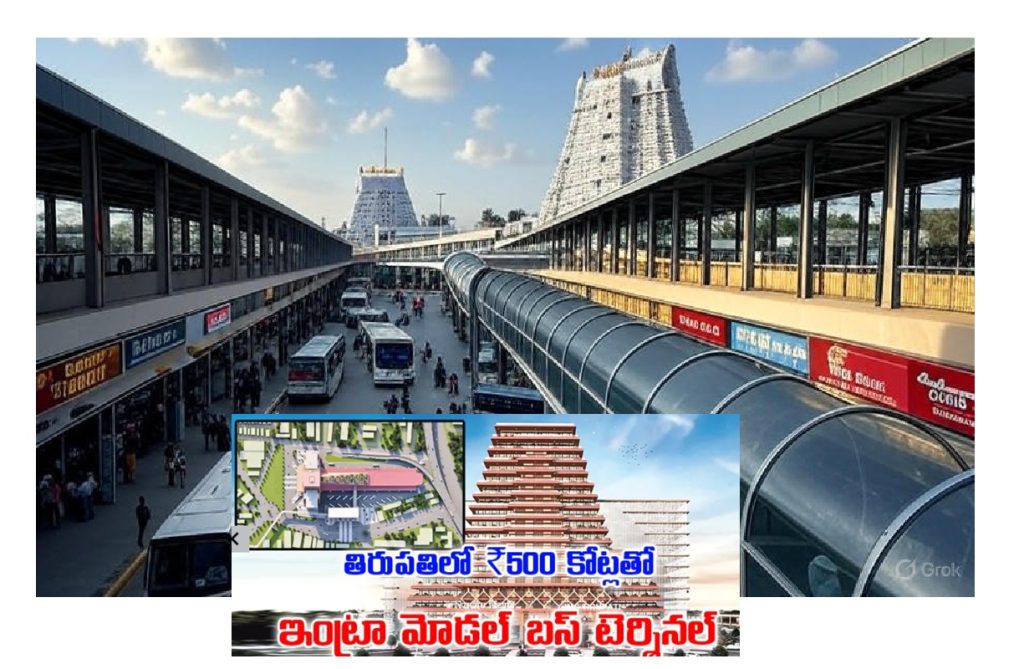
Introduction to Tirupati’s Game-Changing Bus Terminal
Tirupati, renowned for the sacred Tirumala Venkateswara Temple, welcomes millions of pilgrims yearly. To accommodate this influx and enhance traveler convenience, the city is developing a cutting-edge Intra-Modal Bus Terminal. This Rs 500 crore project, set to replace the current bus stand, will integrate advanced transportation facilities with hospitality and commercial offerings. Covering 12.19 acres of the existing 13.18-acre site, the terminal will feature 10 floors, 98 bus platforms, and a design inspired by the iconic Tirumala Temple. This article explores the project’s features, partnerships, and its potential to transform Tirupati into a modern pilgrimage and travel hub.
Key Features of the Intra-Modal Bus Terminal
Expansive Infrastructure for Seamless Travel
The Intra-Modal Bus Terminal will span 1.54 lakh square feet, offering a robust infrastructure to handle Tirupati’s high passenger volume. Key highlights include:
- 98 Bus Platforms: The ground floor will house a sprawling bus stand with 98 platforms, ensuring efficient operations for both RTC and private buses.
- Parking for 50 Additional Buses: Dedicated spaces will accommodate 50 parked buses, with provisions for electric bus charging stations to support sustainable transport.
- Two-Level Cellar Parking: The cellar will feature two floors for parking bikes and cars, addressing the needs of commuters and visitors.
- Four-Sided Road Access: Unlike the current bus stand with three-sided road access, the new terminal will have roads on all four sides, improving connectivity and reducing congestion.
This thoughtfully planned infrastructure will streamline travel, making Tirupati a more accessible destination for pilgrims and tourists.
Multi-Story Amenities for Travelers and Businesses
Beyond transportation, the terminal will serve as a comprehensive hub with diverse facilities across its 10 floors:
- Ground Floor: Exclusively for bus operations, ensuring a smooth flow of passengers and vehicles.
- First and Second Floors: These levels will house RTC offices, food courts, retail shops, and other commercial spaces, catering to travelers’ immediate needs.
- Third Floor: Dedicated to operational services, including electrical maintenance, CCTV control rooms, and other backend support systems.
- Fourth to Seventh Floors: These floors will feature hotels, restaurants, and dormitories, offering affordable and premium accommodation options for pilgrims.
- Eighth to Tenth Floors: Reserved for commercial use, including banks, government offices, and private company offices, fostering economic growth.
- Helipad on the Top Floor: A helipad will provide exclusive access for VIPs and emergency services, enhancing the terminal’s versatility.
This multi-purpose design ensures that travelers enjoy a seamless experience, with all essential services under one roof.
Tirumala Temple-Inspired Architectural Design
The terminal’s design, crafted by Rail India Technical and Economic Service Limited (RITES), draws inspiration from the Tirumala Temple’s majestic architecture. The main entrance will mirror the temple’s iconic gopuram, creating a spiritual connection for devotees. This aesthetic choice not only honors Tirupati’s cultural heritage but also elevates the terminal’s visual appeal, making it a landmark in its own right.
Strategic Partnerships Driving the Project
Collaborative Funding Model
The Rs 500 crore project is a collaborative effort involving multiple stakeholders:
- Andhra Pradesh State Road Transport Corporation (APSRTC): RTC is contributing the 12.19-acre land, a valuable asset that eliminates the need for direct financial investment.
- National Highways Logistics Management Limited (NHLML): This central government entity will provide a portion of the funding, leveraging its expertise in logistics infrastructure.
- Private Contractor: A private partner, to be selected through a competitive process, will contribute additional funds and oversee construction and operations.
This public-private partnership (PPP) model ensures efficient resource allocation and timely project completion.
Revenue Sharing for Long-Term Sustainability
Once operational, the terminal will generate revenue through leasing spaces for hotels, restaurants, dormitories, banks, and offices. The profits will be shared among RTC, NHLML, and the private contractor based on a mutually agreed formula. This revenue-sharing model guarantees long-term financial sustainability, allowing stakeholders to reinvest in maintenance and future upgrades.
Connectivity Enhancements for Pilgrims
Skywalk to Tirupati Railway Station
To improve intermodal connectivity, the project includes a proposed 1-km skywalk linking the bus terminal directly to Tirupati Railway Station. This elevated walkway will allow passengers to transfer seamlessly between rail and bus services, reducing travel time and enhancing convenience. The skywalk’s design will prioritize safety and accessibility, catering to elderly pilgrims and those with luggage.
Four-Sided Road Network
The terminal’s four-sided road access will integrate with Tirupati’s existing road network, ensuring smooth traffic flow. This upgrade addresses the congestion issues faced by the current bus stand, which is limited to three-sided access. Enhanced road connectivity will benefit both local commuters and long-distance travelers.
Temporary Arrangements During Construction
To minimize disruptions during construction, authorities have planned alternative arrangements for bus operations:
- Mangalam Depot: Some buses will operate from the Mangalam Depot, ensuring continuity of services.
- Alipiri and Tiruchanur: Temporary bus stands will be set up near Alipiri (owned by Tirumala Tirupati Devasthanams) and along the Tiruchanur route.
- Multiple Locations: The existing bus stand’s operations will be distributed across two or three sites, maintaining accessibility for passengers.
These measures reflect a proactive approach to managing commuter needs during the transition period.
Economic and Social Impact of the Terminal
Boosting Tirupati’s Economy
The Intra-Modal Bus Terminal will serve as an economic catalyst for Tirupati by:
- Creating Jobs: Construction and ongoing operations will generate employment opportunities, from skilled labor to hospitality and retail roles.
- Attracting Businesses: The commercial spaces will draw banks, offices, and retail brands, fostering a vibrant business ecosystem.
- Increasing Tourism Revenue: Enhanced facilities will encourage longer stays by pilgrims and tourists, boosting local commerce.
Enhancing Pilgrim Experience
For millions of devotees visiting Tirumala, the terminal will offer unparalleled convenience:
- All-in-One Hub: Access to transport, accommodation, dining, and services in one location simplifies travel planning.
- Affordable Options: Dormitories and budget hotels will cater to pilgrims with varying budgets.
- Cultural Resonance: The temple-inspired design creates a welcoming atmosphere, aligning with the spiritual purpose of their visit.
Sustainability and Future-Readiness
Eco-Friendly Features
The terminal incorporates sustainable elements to align with modern infrastructure standards:
- Electric Bus Charging Stations: Support for electric buses promotes eco-friendly public transport.
- Efficient Space Utilization: The multi-story design maximizes land use, preserving surrounding areas.
- Green Building Practices: The project will adhere to environmentally conscious construction methods, reducing its carbon footprint.
Scalability for Future Growth
With Tirupati’s pilgrim footfall expected to grow, the terminal is designed for scalability. The 98 platforms and extensive parking facilities can accommodate increased bus traffic, while the commercial floors can adapt to evolving business needs. The helipad adds a forward-thinking feature, catering to future demands for premium services.
Challenges and Mitigation Strategies
Managing Construction Disruptions
The relocation of bus operations during construction poses logistical challenges. To address this, authorities will:
- Communicate Clearly: Regular updates via the RTC website and local media will inform passengers of temporary bus stand locations.
- Enhance Temporary Facilities: Temporary sites will include basic amenities like seating, shelters, and signage to ensure passenger comfort.
Ensuring Timely Completion
Large-scale projects often face delays. To stay on track, the project team will:
- Select a Reliable Contractor: A rigorous selection process will ensure the chosen private partner has the expertise and resources to deliver.
- Monitor Progress: NHLML and RTC will oversee construction milestones, addressing issues promptly.
Comparison with Other Modern Bus Terminals in India
To understand the Intra-Modal Bus Terminal’s significance, let’s compare it with other notable bus terminals in India:
- Kempegowda Bus Station, Bengaluru: Known as Majestic, this terminal handles over 800 buses daily but lacks integrated commercial facilities. Tirupati’s terminal, with its hotels and offices, offers a more holistic experience.
- ISBT Kashmere Gate, Delhi: This inter-state terminal features modern amenities but is primarily transport-focused. Tirupati’s multi-story design with hospitality options sets it apart.
- Chennai Mofussil Bus Terminus (CMBT): While CMBT is expansive, it faces congestion issues. Tirupati’s four-sided road access and skywalk connectivity address such challenges proactively.
The Intra-Modal Bus Terminal combines the best elements of these hubs while introducing unique features like the helipad and temple-inspired design.
Why Tirupati Needs This Upgrade
Tirupati’s existing bus stand, though functional, struggles to meet the demands of its growing visitor base. Key limitations include:
- Limited Space: The current 13.18-acre site cannot accommodate the increasing number of buses and passengers.
- Congestion: Three-sided road access leads to traffic bottlenecks, especially during peak pilgrimage seasons.
- Lack of Amenities: The absence of integrated hotels, restaurants, and commercial spaces forces travelers to seek services elsewhere.
The Intra-Modal Bus Terminal addresses these issues, offering a future-proof solution that aligns with Tirupati’s status as a global pilgrimage destination.
Community and Stakeholder Perspectives
Local Residents
Tirupati residents anticipate improved connectivity and economic opportunities but express concerns about construction-related disruptions. Authorities are engaging with the community through public consultations to address these concerns and ensure a smooth transition.
Pilgrims
Devotees visiting Tirumala welcome the project, citing the need for better facilities. The temple-inspired design and all-in-one amenities resonate strongly with their expectations for a hassle-free pilgrimage.
Businesses
Local and national businesses are eager to secure commercial spaces in the terminal, recognizing its potential to attract a steady stream of customers. The project’s revenue-sharing model also appeals to investors seeking long-term returns.
Timeline and Next Steps
While the exact timeline awaits the selection of the private contractor, preliminary estimates suggest:
- Design Finalization: Completed by RITES, with the Tirumala-inspired design approved.
- Contractor Selection: Expected within the next 6–12 months, followed by funding and share allocation agreements.
- Construction Phase: Likely to span 2–3 years, with temporary bus stand arrangements in place.
- Inauguration: Targeted for 2028–2030, depending on construction progress.
Regular updates from RTC and NHLML will keep stakeholders informed as the project advances.
Conclusion: A New Era for Tirupati’s Transportation
The Intra-Modal Bus Terminal marks a pivotal moment for Tirupati, blending modern infrastructure with cultural reverence. By offering 98 bus platforms, extensive parking, hotels, restaurants, and a helipad, the terminal will cater to the diverse needs of pilgrims, tourists, and locals. Its Tirumala Temple-inspired design, crafted by RITES, ensures a spiritual connection, while the skywalk to Tirupati Railway Station enhances connectivity. Backed by a robust public-private partnership, this Rs 500 crore project promises to elevate Tirupati’s status as a global pilgrimage and travel hub, driving economic growth and improving the visitor experience for years to come.