Site icon Telangana NavaNirmana Sena

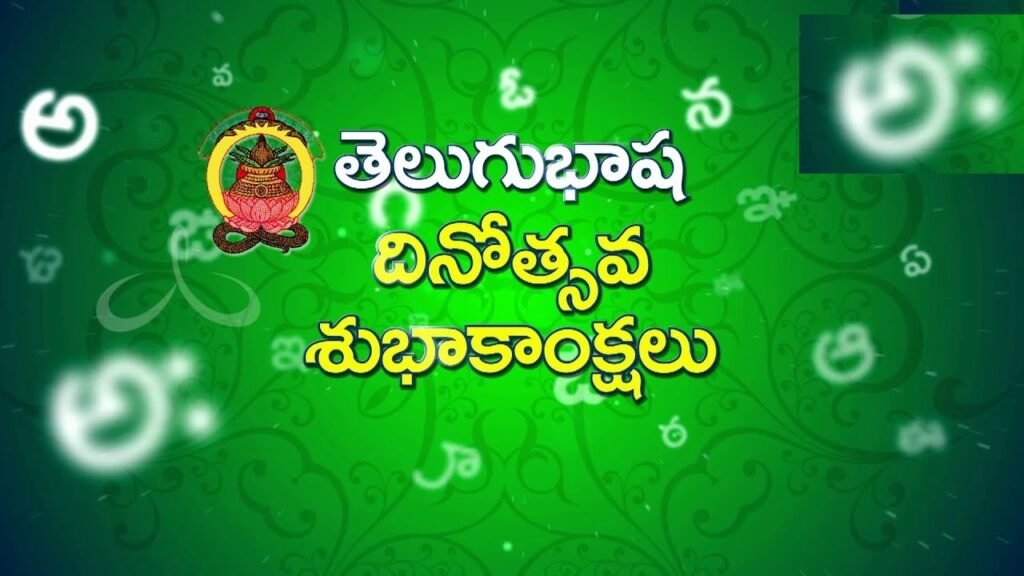
తెలుగు భాషా దినోత్సవం Celebrating Telugu Language Day 2024

Telugu Language Day, celebrated annually on August 29th, marks the birth anniversary of Gidugu Venkata Ramamurthy, a pioneer in the Telugu language movement and a polymath who significantly contributed to modernizing the language. His work in simplifying Telugu literature and making it accessible to the common man is commemorated through this special day. The Significance of Telugu Language Day Telugu Language Day is a celebration of the rich heritage and cultural significance of the Telugu language. As one of the 22 officially recognized languages in India, Telugu has a deep-rooted history that traces back to the Dravidian language family. The language gained official status as the state language of Andhra Pradesh in 1966, following the enactment of the Andhra Pradesh Official Language Act. Telugu is also recognized in the union territory of Yanam and was declared a classical language in 2008, alongside Kannada. Gidugu Venkata Ramamurthy: A Visionary in Telugu Literature Born on August 29, 1863, in the Parvatalapeta village of the erstwhile Ganjam district (now Srikakulam district), Gidugu Venkata Ramamurthy started his career as a teacher. He was a leading figure in the modernization of the Telugu language, earning a reputation as an educator, historian, epigraphist, and scholar. Throughout his life, Ramamurthy spearheaded various movements aimed at advancing language, education, and historical research in Andhra Pradesh. The Legacy of Gidugu Venkata Ramamurthy Ramamurthy's contributions to the Telugu language are monumental. He was instrumental in simplifying Telugu literature, ensuring that its richness and beauty were accessible to everyone, not just the elite. His dedication to the language and his relentless efforts to promote Telugu as a medium of education have left a lasting impact on Telugu culture. In recognition of his unparalleled contributions, his birth anniversary is celebrated as Telugu Language Day. The Historical Impact of Telugu Telugu is one of the most widely spoken languages in India, following Hindi and Bengali. The phrase "Desa Bhashalandu Telugu Lessa," attributed to the legendary ruler Sri Krishnadevaraya, highlights the esteemed status of Telugu among Indian languages. The language's historical significance is further echoed in the works of poets and writers like Vemulapalli Srikrishna, whose compositions stir pride among Telugu speakers. Telugu Language Day: A Tribute to Gidugu Ramamurthy's Vision Each year on August 29th, Telugu speakers around the world commemorate Gidugu Venkata Ramamurthy’s birthday by celebrating Telugu Language Day. This day serves as a reminder of his immense contributions to Telugu literature and the importance of preserving and promoting the language. Ramamurthy's efforts laid the foundation for the modern Telugu we know today, making it a language that continues to thrive and evolve. Conclusion Telugu Language Day is not just a celebration of a language but a tribute to the enduring legacy of Gidugu Venkata Ramamurthy. His visionary work ensured that Telugu would remain a vibrant and accessible language for future generations. As we honor his memory, we also acknowledge the rich cultural heritage of Telugu and the ongoing efforts to preserve its beauty and significance in the modern world.

తెలుగు భాషా దినోత్సవం 2024, Telugu Language Day 2024, celebrated annually on August 29th, marks the birth anniversary of Gidugu Venkata Ramamurthy, a pioneer in the Telugu language movement and a polymath who significantly contributed to modernizing the language. His work in simplifying Telugu literature and making it accessible to the common man is commemorated through this special day.

The Significance of Telugu Language Day

Telugu Language Day is a celebration of the rich heritage and cultural significance of the Telugu language. As one of the 22 officially recognized languages in India, Telugu has a deep-rooted history that traces back to the Dravidian language family. The language gained official status as the state language of Andhra Pradesh in 1966, following the enactment of the Andhra Pradesh Official Language Act. Telugu is also recognized in the union territory of Yanam and was declared a classical language in 2008, alongside Kannada.

Gidugu Venkata Ramamurthy: A Visionary in Telugu Literature

Born on August 29, 1863, in the Parvatalapeta village of the erstwhile Ganjam district (now Srikakulam district), Gidugu Venkata Ramamurthy started his career as a teacher. He was a leading figure in the modernization of the Telugu language, earning a reputation as an educator, historian, epigraphist, and scholar. Throughout his life, Ramamurthy spearheaded various movements aimed at advancing language, education, and historical research in Andhra Pradesh.

The Legacy of Gidugu Venkata Ramamurthy

Ramamurthy’s contributions to the Telugu language are monumental. He was instrumental in simplifying Telugu literature, ensuring that its richness and beauty were accessible to everyone, not just the elite. His dedication to the language and his relentless efforts to promote Telugu as a medium of education have left a lasting impact on Telugu culture. In recognition of his unparalleled contributions, his birth anniversary is celebrated as Telugu Language Day.

The Historical Impact of Telugu

Telugu is one of the most widely spoken languages in India, following Hindi and Bengali. The phrase “Desa Bhashalandu Telugu Lessa,” attributed to the legendary ruler Sri Krishnadevaraya, highlights the esteemed status of Telugu among Indian languages. The language’s historical significance is further echoed in the works of poets and writers like Vemulapalli Srikrishna, whose compositions stir pride among Telugu speakers.

Telugu Language Day: A Tribute to Gidugu Ramamurthy’s Vision

Each year on August 29th, Telugu speakers around the world commemorate Gidugu Venkata Ramamurthy’s birthday by celebrating Telugu Language Day. This day serves as a reminder of his immense contributions to Telugu literature and the importance of preserving and promoting the language. Ramamurthy’s efforts laid the foundation for the modern Telugu we know today, making it a language that continues to thrive and evolve.

Conclusion

Telugu Language Day is not just a celebration of a language but a tribute to the enduring legacy of Gidugu Venkata Ramamurthy. His visionary work ensured that Telugu would remain a vibrant and accessible language for future generations. As we honor his memory, we also acknowledge the rich cultural heritage of Telugu and the ongoing efforts to preserve its beauty and significance in the modern world.

Exit mobile version