


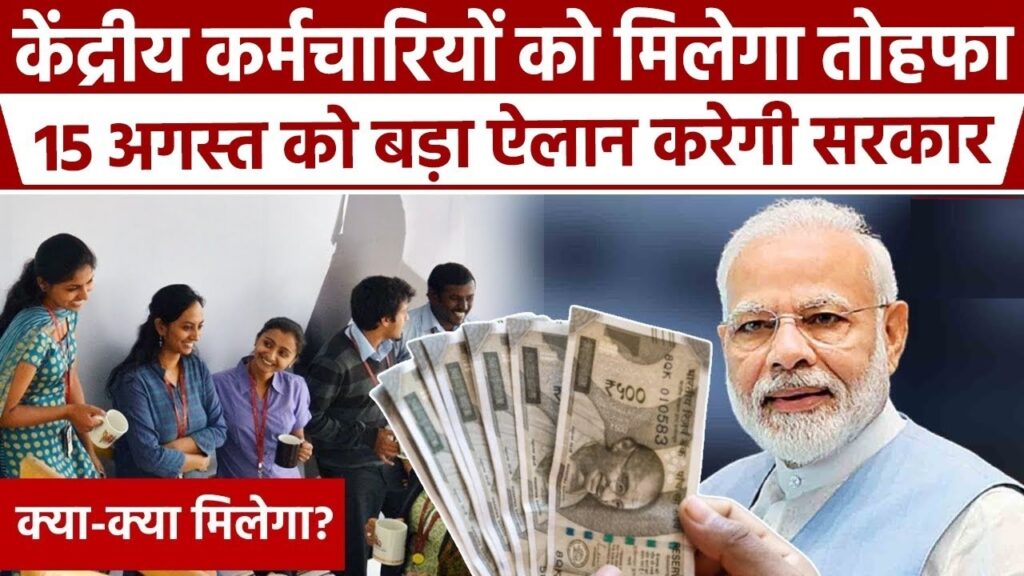
8th Pay Commission: Latest Updates, Expected Implementation Date, and Anticipated Benefits
Government employees and pensioners across India are eagerly awaiting the announcement of the 8th Pay Commission, which promises to revise salaries, pensions, and allowances for Central government employees. The implementation of this pay commission is crucial, as it addresses inflation and improves the financial stability of government personnel. In this article, we delve into the latest developments, expected timelines, and potential benefits associated with the 8th Pay Commission.
Understanding the 8th Pay Commission: When Will It Be Implemented?
The 8th Pay Commission is anticipated to take effect on January 1, 2026, following the traditional 10-year cycle observed by previous commissions. This timeline was confirmed by Finance Secretary T.V. Somanathan, who noted that there is still time before the commission is officially enacted. The previous 7th Pay Commission was constituted in February 2014, with its recommendations implemented on January 1, 2016. Similarly, the upcoming commission is expected to follow this decade-long interval.
Despite widespread speculation and anticipation, the Union Budget for the financial year 2024-25 did not include any announcements related to the 8th Pay Commission. When questioned in Parliament, the Ministry of Finance stated that there is currently no proposal under consideration for the pay panel. However, there have been reports that two representations for the constitution of the commission were received by the government in June 2024.
How Are Pay Commissions Implemented? A Brief Overview
Pay commissions are typically established every 10 years to review and revise the remuneration of government employees. These revisions consider factors such as inflation rates and other economic conditions. The objective is to ensure that government employees’ salaries are aligned with the cost of living, thereby maintaining their purchasing power.
The 8th Pay Commission, like its predecessors, is expected to be formed two years before its actual implementation date. Although no official announcement has been made yet, it is widely believed that the commission will be constituted in 2024, allowing ample time for its recommendations to be reviewed and approved.
Anticipated Changes: New Salary Structure and Benefits
The 8th Pay Commission is poised to bring significant changes to the salary structure and benefits of Central Government employees. The commission aims to address existing salary disparities among different employee groups, with the goal of enhancing financial well-being. One of the most significant changes expected is a substantial increase in the minimum salary for government employees. This increase is anticipated to improve their purchasing power, contributing positively to the overall economy.
Key Expected Benefits of the 8th Pay Commission:
- Salary Increase: Government employees can expect a salary increase of approximately 20% to 25%, with a possible revision of basic salary ranging between 25% and 35%.
- Retirement Benefits: The commission is likely to propose an increase in retirement benefits, potentially up to 30%, ensuring that retired employees can better cope with inflation.
- Dearness Allowance (DA): The Dearness Allowance, which helps employees manage the rising cost of living, is expected to exceed 50% by January 2026.
These proposed changes are designed to align with the current economic conditions and inflation rates, ensuring that government employees maintain a stable financial status.
Eligibility and Coverage: Who Will Benefit?
The 8th Pay Commission is expected to cover all active Central Government employees working in various ministries, departments, and agencies. Retired personnel receiving pensions from the Central Government, including family pensioners, are also eligible for the benefits proposed by the commission. Additionally, personnel of the Indian Armed Forces may be covered under a separate pay commission tailored specifically for their needs.
While some Public Sector Undertakings (PSUs) adhere to the central government pay scales, others operate under independent systems. Each state government in India has its own pay structure for employees, but they may choose to adopt guidelines from the Central Pay Commission.
Allowance Revisions Under the 8th Pay Commission
In addition to salary and retirement benefits, the 8th Pay Commission is expected to revise various allowances that government employees receive. The basic salary revision is projected to range between 25% to 35%, with retirement benefits potentially increasing by up to 30%. These changes are designed to ensure that employees can manage their expenses and maintain a good standard of living, even in the face of rising costs.
The Dearness Allowance, which plays a crucial role in protecting employees from the impact of inflation, is likely to see a significant hike. By January 2026, the DA is expected to exceed 50%, providing substantial financial relief to employees.
Impact on Job Satisfaction and Retention
Competitive salary packages and benefits are essential for attracting and retaining skilled professionals in government positions. The proposed revisions under the 8th Pay Commission are expected to lead to greater job satisfaction and motivation among government workers. Although predicting the exact salary increases is challenging, experts suggest that basic salaries could rise by approximately 20% to 25%.
These revisions not only aim to improve the financial stability of government employees but also to ensure that the workforce remains motivated and committed to their roles. A well-compensated workforce is more likely to perform efficiently, leading to better governance and public service delivery.
Conclusion: The Road Ahead
The implementation of the 8th Pay Commission is set to bring about substantial improvements in salaries and retirement benefits for government employees in India. While the official announcement is still awaited, the anticipated changes are expected to address inflation and enhance the overall financial stability of both current employees and pensioners. As the government continues to consider the representations received, employees and pensioners alike can look forward to a brighter financial future under the new pay commission.
This significant update promises not only to boost the incomes of government employees but also to contribute to the growth of the Indian economy, as increased purchasing power leads to higher consumer spending. The 8th Pay Commission is poised to be a turning point for government employees, ensuring they are well-compensated and financially secure in the years to come.